Follow @iambolar on X for more expert analysis.
The CAF Awards 2025 in Rabat, Morocco, was billed as a celebration of African football excellence. For Nigeria, however, the night unfolded as a tale of two realities: heartbreak for the men’s game and triumph for the women’s. While Victor Osimhen’s dream of being crowned Africa’s best was dashed, the Super Falcons and Chiamaka Nnadozie reminded the continent why Nigeria remains a powerhouse in women’s football.
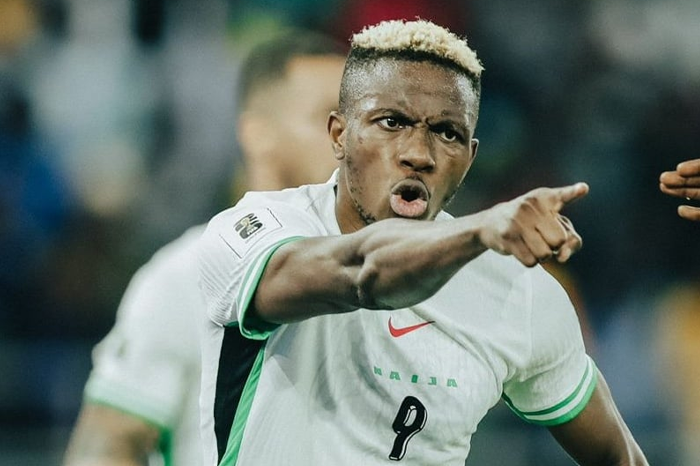
Victor Osimhen entered the ceremony as Nigeria’s brightest hope. His stellar performances for Galatasaray and the Super Eagles had made him a fan favourite and a strong contender. Yet, when the envelope was opened, it was Achraf Hakimi who claimed the African Footballer of the Year, with Mohamed Salah finishing second.
Predict the correct full-time score & share your Bet9ja ID for a chance to win ?5k?
— Bet9ja: The home of #betBOOM! ? (@Bet9jaOfficial) November 25, 2025
? 1 entry per person & any entry after kick-off will not be counted ?
? 5 random winners will be selected, but you must:
? Correctly predict the score
? Follow @Bet9jaOfficial
? Winners… pic.twitter.com/IuF5MBHOAe
For Osimhen, finishing third was more than a personal disappointment – it symbolised the struggles of Nigerian men’s football. Despite his brilliance, the Super Eagles’ failure to qualify for the World Cup and their inconsistent performances at continental level weighed heavily against his candidacy.
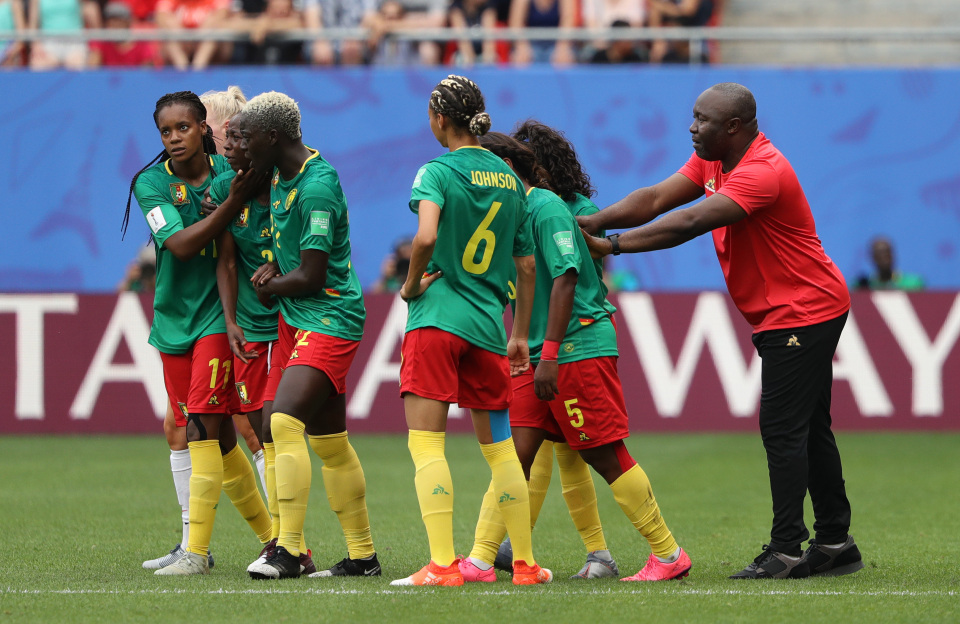
If the men faltered, the women soared. The Super Falcons were named CAF Women’s National Team of the Year, a fitting recognition after clinching their record 10th Women’s Africa Cup of Nations (WAFCON) title. Their dominance was historic and cultural – representing resilience and consistency in a system often plagued with controversy.
No Nigerian shone brighter than Chiamaka Nnadozie, who claimed Women’s Goalkeeper of the Year for the third consecutive time. At just 24, she has become a continental icon, combining agility, leadership, and consistency for both Brighton and Hove Albion and the Super Falcons.
Her three-peat is historic, placing her among Africa’s most decorated goalkeepers. For Nigeria, Nnadozie’s rise is proof that the country continues to produce world-class talent, even in the face of on and off the field challenges.
Morocco dominated the night, winning six awards, including Hakimi’s men’s Player of the Year and Ghizlane Chebbak’s women’s Player of the Year. Nigeria’s haul was smaller but deeply symbolic: while the men’s side struggled, the women’s team and Nnadozie carried the nation’s flag proudly. The Super Eagles nominated for Men’s National Team of the Year but lost to DR Congo.
This contrast highlights a broader narrative: African football is diversifying, with Morocco emerging as a continental force, while Nigeria’s women continue to sustain the country’s reputation.
Nigeria women’s football is the country’s strongest path to more CAF Awards glory. For the men, Osimhen’s fitness and AFCON success will be decisive. Morocco will remain Nigeria’s biggest rival, given their sweep of six awards this year.
The CAF Awards 2025 was a night of drama for Nigeria. Osimhen’s dream was deferred, but the Super Falcons and Nnadozie ensured the country left Rabat with pride intact. The message is clear: Nigeria’s football future must embrace reform in the men’s game while celebrating and investing further in the women who continue to carry the nation’s legacy.