Follow @Emiearth on X for more expert analysis.
It’s rare to find players who personally submit a transfer request especially when they play in an environment where chants celebrating their exploits could easily rival the country’s top 10 billboard hits.
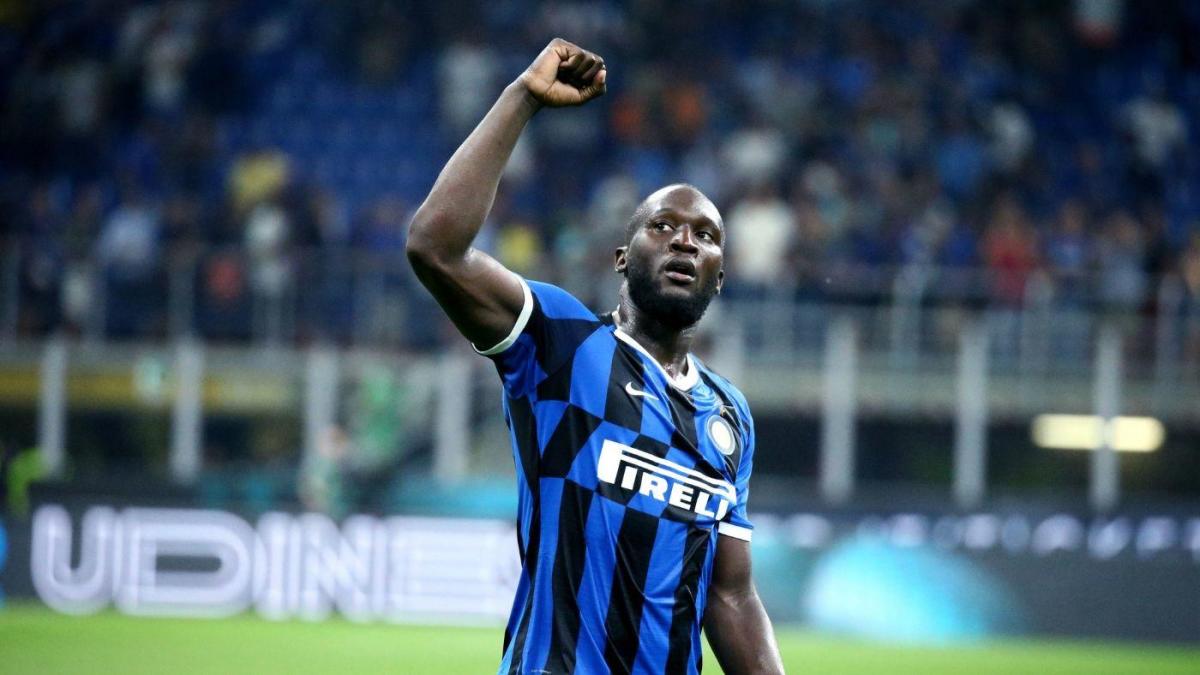
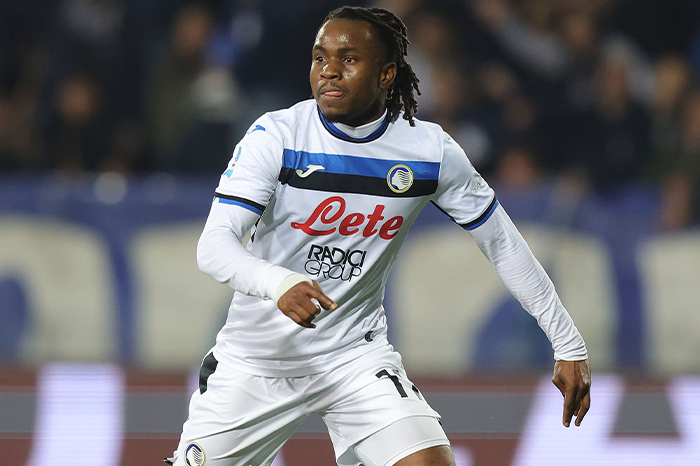
On Sunday, August 3 2025, Nigerian forward Ademola Lookman astonished the football world, some would say unsurprising, when he decided it was time to take the bull by the horn by submitting a formal transfer request. In his public statement, the Nigerian accused the Italian club of “poor treatment as both a human being and a professional footballer.”
He claimed the club had broken promises and was blocking a fair offer from Inter Milan.
“…despite now receiving an offer in alignment to what I believe had been discussed, sadly the club (Atalanta) are blocking the opportunity for reasons I do not understand.”
Lookman’s frustration echoed a deeper, longstanding issue: even successful African players in Italy often face disrespect, isolation, or mistreatment behind the scenes. His public stance shed new light on a troubling pattern, one that goes far beyond transfers or contracts, from racist abuse in stadiums to cold silence from club officials.
Football is called the “beautiful game” for a reason – it unites people across nations, races, and religions. But for many African players who have journeyed far from home, the experience hasn’t always been beautiful. In Italy, African players have endured harsh treatment, often with little support. It’s a stark reminder that beneath the glory, Italian football still carries a painful undercurrent that still needs to be addressed.
One of Africa’s greatest players, Samuel Eto’o, enjoyed immense success with Barcelona, Inter Milan, and the Cameroon national team. Yet despite his achievements, he was not immune to racism. While playing for Inter Milan in 2010, Eto’o was repeatedly targeted by fans making monkey noises, especially during away games. In a match against Cagliari, the abuse became so intense that the referee was forced to halt the game briefly. In another match against Chievo Verona, Eto’o appeared visibly emotional and disturbed but still pushed on to score. He once threatened to walk off the pitch but later said he chose to “fight by playing better.”
?? ????? ?????? ?? ???? ???? ????? ?? ??? ???? ??
— Bet9ja: The home of #betBOOM! ? (@Bet9jaOfficial) August 6, 2025
Are you ready to go 1Up?! ?
In 2013, while playing for AC Milan in a friendly against fourth-tier side Pro Patria, Kevin-Prince Boateng was subjected to racial abuse from fans throughout the first half. The Ghanaian, though born in Germany, chose not to continue the match, instead, he kicked the ball into the stands and walked off the pitch, followed by his teammates. It was the first time a professional football team had left the field in protest of racism.
In 2014, Cameroonian midfielder Joseph Minala faced widespread ridicule after joining Lazio, with many claiming he looked older than 17. Despite official documents confirming his age, social media mockery and media coverage turned him into a cruel joke. Though not direct racism, the incident exposed racial bias – implying a young African couldn’t look mature without suspicion. The backlash both online and in stadiums derailed Minala’s career before it even began.
Ghanaian midfielder Sulley Muntari, then playing for Pescara also had a fair share of the imbecilic racial act in 2017 when he was abused by Cagliari fans. Instead of getting help from the referee, the midfielder was booked for protesting and eventually walked off the pitch in frustration. Shockingly, the Italian football authorities initially suspended Muntari, not the fans. The incident sparked international criticism. The ban was eventually overturned, but the message was clear – victims were still being punished in Italy.
French midfielder Blaise Matuidi, whose parents are of Angolan and Congolese descent was also not spared during his time at Juventus, facing racist abuse even just months after winning the World Cup with France.
Other incidents have further highlighted the struggles African players face on and off the pitch, regardless of their talent. A clear example is Victor Osimhen, whose loyalty to Napoli was repaid with mockery and disrespect.
The Nigerian star brought glory to Napoli with his goals and unrelenting passion, playing a pivotal role in delivering the club’s first Serie A title in over 30 years. But in 2023, after missing a penalty, Osimhen was mocked by Napoli’s own official TikTok account. The post widely condemned as disrespectful remained online long enough to spark public outrage before it was eventually taken down. Deeply hurt, Osimhen refused to celebrate his next goal and maintained a cold distance from the club for weeks. Although Napoli issued an apology, the incident revealed a troubling lack of respect. Fans and analysts questioned whether an Italian or European player would have been treated the same way.
New tournament. Same goal ?
— Bet9ja: The home of #betBOOM! ? (@Bet9jaOfficial) May 20, 2025
Bet9ja are proud to be the official sponsor of @NGSuperEagles 2025 AFCON campaign!
Let’s Do It Again, Super Eagles ??? pic.twitter.com/4V91lWcCSN
Many saw this as part of a broader issue: African players are celebrated with chants and praise when they succeed, but are often the first to be scapegoated when things go wrong. In recent years, Italy has tried to improve. Anti-racism campaigns, support from fellow players, and social media pressure have helped bring attention to the issue. But for many African players, the trauma lingers.
Football is not just about winning, it’s about humanity. For the sport to truly live up to its promise as the “beautiful game,” FIFA, its affiliated federations, and player unions like FIFPRO must take stronger, more consistent action to protect players of all races. Until then, the scars of racism, rejection, and mistreatment will continue to stain one of the world’s most passionate football nations.
Bet on all the next big transfers right here at Bet9ja!