Follow @iambolar on X for more expert analysis.
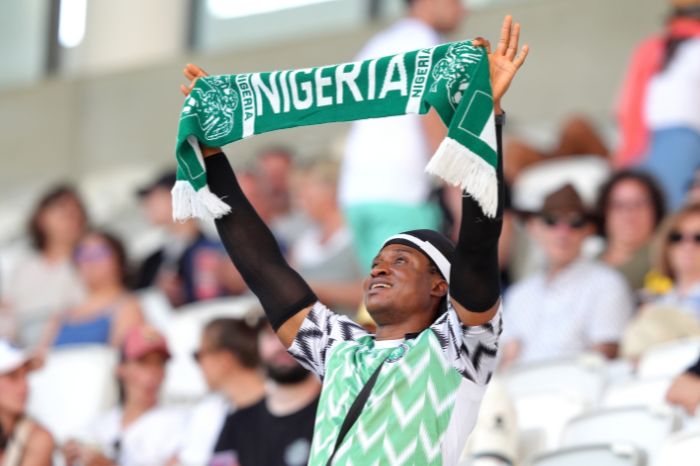
Nigeria may not be at the FIFA World Cup 2026, but the tournament is still full of Nigerian flair, talent and identity. In fact, more than 15 players of Nigerian descent are representing other nations across Europe, North America, and even Africa. This is a reminder that Nigerian football culture travels far beyond the Super Eagles’ green and white.
From London to Munich, from Toronto to Paris, players with Nigerian roots are shaping the storylines of this World Cup. Some are global superstars, others are rising talents, but all of them carry a piece of Nigeria with them onto the pitch.
England’s squad features some of the highest?profile Nigerian?heritage players in the world:
Bukayo Saka: Arsenal’s talisman and one of England’s most decisive attackers.
Eberechi Eze: A creative force capable of unlocking tight defenses.
Carney Chukwuemeka: A gifted midfielder with Nigerian parents, bringing flair and versality for Austria.
Noni Madueke: Explosive and unpredictable.
England’s attack is, in many ways, a showcase of Nigerian football DNA, and these players are central to England’s attacking identity.
Germany’s Nigerian-Born Magician
Jamal Musiala: Born in Stuttgart to a Nigerian father, Musiala is one of the brightest young stars in world football. His dribbling and composure have made him Germany’s creative heartbeat.
Felix Nmecha: Born in Hamburg to Nigerian parents, offering control and midfield versatility.
Together, they represent the new face of German football – multicultural, expressive and technically elite.
France’s Nigerian Touch
Michael Olise: Elegant, technical, skillful and fearless, Olise brings a different dimension to France’s attack.
North America’s Nigerian Firepower
Canada and the United States both feature Nigerian?origin forwards:
Folarin Balogun (USA): Born in New York to Nigerian parents, developed in England, now leading the American frontline.
Tani Oluwaseyi (Canada): One of the breakout names in MLS, now carrying his Villarrreal form into the World Cup.
Promise David (Canada): Known for his incredible height, strength and finishing instincts.
Austria, Switzerland, Norway – Nigerian Roots Everywhere
David Alaba (Austria): A global superstar with Nigerian heritage through his father.
Noah Okafor (Switzerland): A dynamic forward with Nigerian roots.
Antonio Nusa (Norway): A gifted winger with Nigerian lineage, already attracting attention from top clubs.
Manuel Akanji (Switzerland): Born to a Nigerian father, now one of Europe’s best defenders.
South Africa’s Nigerian?Born Defender
Ime Okon: Born to a Nigerian father, now representing South Africa. A strong, composed defender with a bright future.
The presence of these players highlights a deeper truth: Nigeria remain one of the most influential football nations in the world, even in a tournament where the Super Eagles themselves are absent.
Their success raises important questions:
Why do Nigeria continue to lose elite talent to other national teams?
How can the Nigerian Football Federation better engage the diaspora?
What does this mean for the future of African football?
One thing is clear: Whether wearing the shirts of England, Germany, France, Canada or South Africa, these players carry Nigerian football DNA into every match.